Every acquisition journey has a moment where spreadsheets stop being the answer. Maybe it’s the second time a seller “forgets” to mention a key supplier dispute, or when a bank’s underwriter asks you to defend a revenue adjustment you barely believe yourself. The numbers still matter, but what you need is a person who has seen this movie before, preferably in your backyard. That is the heart of the Liquid Sunset Network 2.0, a growing bench of local mentors who sit on your side of the table as you try to buy a business in London, Ontario.
I spend a lot of time with owner-operators, independent sponsors, and first-time buyers in Southwestern Ontario. The same patterns repeat: buyers underestimate the soft bits of an acquisition, then overcompensate with more models and fewer conversations. Local mentors are the counterweight. They can read the room during a plant tour, decode a neighbour’s comment about the owner’s “golf habit,” and tell you which business broker London Ontario buyers consistently respect. Version 2.0 of our network formalizes what used to be informal coffees and introductions into a practical, repeatable way to navigate the acquisition process, without sucking the oxygen out of your own judgment.
What makes London a different kind of hunting ground
London sits at an interesting crossroads. It is large enough to offer deal flow across blue-collar and white-collar industries, and small enough that people still answer their phones. The city’s manufacturing backstory, health sciences growth, and cluster of service companies create a diverse inventory of companies between 500,000 and 10 million in revenue. You can find a modest HVAC contractor in the east end, a precision machining shop near the 401, or a specialized digital agency serving U.S. clients from an office above a café downtown.
Prices often feel saner than in the GTA. Multiples for stable, owner-operated businesses typically land in the 2.5 to 4.5 times SDE range, sometimes higher for sticky contracts or recurring revenue. The discount, when it exists, is rarely because the businesses are weaker. Owners are more likely to prioritize continuity, staff stability, and community relationships over maxing the cheque, which creates opportunities for the right buyer profile. A practical mentor can tell you when a “discount” is actually deferred headache, like a two-truck fleet held together by mechanics’ goodwill, or outdated CNC controls that scream CapEx.
The other quirk of London is how trust compounds. If you treat a seller’s staff respectfully during diligence, word travels. If you walk out of a deal because the tax returns don’t match the story, word travels faster. You are never more than two calls away from someone who has worked with your seller, your lender, or the brokerage advertising that tidy “business for sale London Ontario” teaser. The Liquid Sunset Network 2.0 leans into this reality by curating mentors who can pull those two calls, without burning bridges or violating confidences.
The network, in practice
The old version of the network was a WhatsApp thread and a short list of folks who owed me a favor. It worked, but it was luck-driven. Version 2.0 is built around three pillars: relevant experience, speed, and alignment. It is not a directory. It is a bench of operators, ex-owners, sector-specific advisors, and finance people who can answer a precise question in real time. The average engagement is a 45-minute call followed by a short memo. Sometimes we embed someone for a week to run a mini quality of earnings on the revenue side, especially for marketing or service companies where revenue recognition gets sloppy.
Here is how it actually unfolds. You spot a listing for a business for sale London, Ontario with 3.2 million in revenue and 700,000 SDE, a claims management service with contracts across three insurers. The teaser looks clean, the broker is reputable, but you do not know the claims cycle locally. Within 48 hours we pair you with a mentor who ran a similar operation in Kitchener and exited five years ago. They show you why seasonality affects cash conversion, explain the silent risk of two adjusters who control half the inbound, and suggest a customer concentration covenant for your loan package. You save yourself from treating AR like it’s fungible and build a financing story that a local bank manager believes.
That speed matters. Sellers in London want to see decisiveness without aggression. If you can move a week faster than your competitors with questions that prove you understand the local terrain, your odds rise.
Why mentors beat templates
The internet is full of acquisition checklists. I like checklists, they keep you from missing legal searches or forgetting to ask about allergic revenue. But checklists are dumb without context. A mentor who has closed in London can spot landmines not listed on any template.
A story from last year. A buyer tried to acquire a landscaping firm with 18 seasonal workers and a core winter plowing contract. The numbers pencilled, the banker was ready, and the seller seemed reasonable. A mentor in our network, a former snow contractor, asked a single question: where does the salt come from, and what was the allocation during the last shortage? That question shifted the deal. The seller’s salt supplier had reallocated to municipal contracts two winters ago, and the firm had survived by buying gray-market salt at 1.8 times normal cost. EBITDA held only because the owner deferred equipment maintenance. Without local memory of that winter’s logistics, the buyer would have paid a price that assumed a stable cost base. Instead, they negotiated a price reduction, plus a three-year salt allocation letter that moved the risk off the table.
Another example from a light manufacturing buy. A 20-year machine shop looked healthy. The mentor knew the landlord personally and flagged a scheduled roof replacement that the lease would pass through in year two. It was not in the data room, because the owner thought of it as “the building’s issue.” That single item changed the buyer’s CapEx plan by 75,000 to 100,000 over two years. The deal still made sense, but now it made sense for reasons the financing package reflected.
These are not heroics. They are the small edges that compound when you work with someone who has lived in the ZIP code, knows the players, and still picks up their phone when you call.
Where a business broker fits in
A good business broker London Ontario buyers respect is worth every penny. A weak one can slow a deal to death. The network does not try to replace brokers, and we do not play coy about their role. Brokers bring deal flow, manage sellers’ emotions, and help write a narrative lenders can underwrite. The key is understanding which brokers fit which kinds of deals. Some brokerages excel at franchises and retail. Others attract owner-operator industrials with real Moats, small m. A mentor who has closed with a broker before knows where the bodies were buried and whether closing adjustments turned cordial or combative.
.png)
There is also the unspoken code of London: if you treat a broker fairly, they bring you their next perfect-fit listing. If you spray lowball offers with a spreadsheet rationale that ignores working capital reality, they quietly move you to the “time waster” column. The Liquid Sunset Network 2.0 keeps you out of that column. We guide you toward asking sharp questions that signal seriousness, not fishing. We help you frame an offer that reflects both the story and the numbers, including the part vendors care about most, the handover for their staff.
Valuation where the rubber meets the road
Ask five buyers how to value a small business and you get business for sale london ontario six answers. In London, deals tend to converge around a few pragmatic markers. Keep the conversation anchored in seller’s discretionary earnings, but insist on tightening add-backs. If the owner’s truck is a rolling billboard with real lead-gen, the “personal vehicle” add-back is half, not full. Golf memberships may be true perks, but if the owner closes 150,000 a year in work on the back nine, you cannot add back the whole fee. A local mentor will translate these shades of gray into a number a seller accepts, because the examples are familiar.
Multiples flex with risk. Route-based services with sticky contracts often earn a tick up, while project-based revenue trades down unless backlog is binding and reliably replenished. The London discount some buyers expect is less about price and more about the structure. Sellers might accept slightly lower nominal prices in exchange for thoughtful earn-outs, vendor take-backs with clear covenants, or continued involvement as a paid advisor for six to 12 months. That final piece matters more than outsiders think. Owners here often want to keep showing up on Tuesday mornings for a while, and they tend to do it in good faith if they feel respected.
Funding, without heroics
Financing a small acquisition is a logistics puzzle more than a finance exam. Every piece needs to fit: bank debt, vendor take-back, buyer equity, potentially a small mezz slice, maybe a government program if you qualify. Local lenders in London weigh character and story as much as they weigh coverage ratios. They talk to each other. The underwriter who flagged your aggressive working capital assumption likely had coffee with the manager who knows the seller’s reputation.
Mentors help you present a financing story that holds in this environment. They will remind you that an HVAC contractor’s peak cash (April to July) should not be the base case for covenant setting. They will send you back to the seller for a monthly P&L and working capital schedule so you can model winter drawdowns. They will urge you to get written clarity on warranties, rebates, and volume-based pricing, since your first year’s margins can swing 200 basis points on line items no outsider would guess exist.
If you are looking at a business for sale London Ontario that checks many boxes but has a visible lump in the revenue curve, mentors help you explain it to the bank before the bank calls it out. That small preemptive note can save a week and keep your seller’s patience intact.
The human side of diligence
Diligence is not just QOE, tax, and legal. It is walking the shop floor and seeing how people make eye contact with the owner. It is asking a dispatcher what happens when the phone system goes down. It is checking whether the sales process is a sticky web or one charismatic person. London magnifies these human tells. Staff tenure runs long in many of these companies. Change management matters.
A mentor who has taken over a local team will give you the playbook that works here. Share honest plans with the team early, probably in the first week after close, and keep the message simple. Pay on time, do not rearrange desks for 90 days, and honor the owner’s traditions that don’t hurt the business. If the team barbecues on the last Friday of the month, keep it. If the owner puts gift cards in holiday cards, keep it and make it your own. These moves cost little and bank a lot of goodwill.
They will also warn you about the single point of failure you want to address before close. That could be the office manager who knows every password, or the production lead who is the only person who can calibrate a certain machine. I have seen too many buyers plan to cross-train “after close” only to watch their keystone person take a winter vacation they booked six months ago. Put retention bonuses and short trainings in the purchase agreement timeline. Fund them. Assign names to those tasks. Be boring and specific.
The market’s quiet corners
Deal flow that never hits a brokerage deserves your attention. In London, these off-market opportunities often sit with older owners who are not anti-broker as much as they are conflict-averse. They do not want tire kickers walking their floor, and they value discretion over every other variable. A local mentor can open these doors, because the owner cares who is coming into their legacy.
This is not a shortcut. Off-market is longer and requires stronger references. You will probably pay a fair, not a steal, price. But the asset quality is often higher, documentation cleaner, and cultural handoff smoother. If you want to buy a business in London with a long-term horizon, two or three warm introductions beat 50 blind NDAs.
What matters after close
Most buyers over-index on getting to close. They should, because dead deals teach expensive lessons. But the first 100 days shape the next 1,000. Cash conversion is king, and many new owners accept slow cash cycles as “just how it is.” Often, it is not. You can tighten invoicing by 3 to 5 days with small changes: pre-scheduling billing runs, moving to progress invoicing for projects, enforcing terms with a polite but firm script. Ask the bookkeeper which customers pay late by habit and why. In one London service business, a buyer shaved 120,000 from average AR simply by shifting three large clients to ACH with a two percent discount that cost them 8,000 and freed seven figures of borrowing base capacity annually. A mentor pointed out that those clients’ AP teams already had ACH setups with other vendors. The friction was imagined.
Staffing is the other lever. Local labor markets have pockets of scarcity. You will not win a machinist bidding war with a Tier 1 auto supplier. You might win on schedule predictability, tools allowances, and a well-lit shop with working HVAC. People underestimate how much that last part affects retention. A mentor who ran a shop in Old East Village once told me their best recruiting asset was a clean bathroom and boots stipends. It sounds small. It is usually the difference between losing and keeping your second shift.
Two checklists worth keeping
- Five questions to ask every seller in London, Ontario: What would make your staff worry about this sale? Which client would hurt most if we lost them and why? What bills do you pay later than you should and how do those vendors respond? Who outside the business do you call first when things go wrong? If you stayed for six months, what would you do with that time? Four early wins in the first 60 days: Document logins, vendor contacts, and renewal dates in a shared vault. Tighten invoicing cadence and confirm payment methods with top 10 customers. Meet every staff member one-on-one and ask what slows them down. Verify insurance coverages match reality, especially fleet and cyber.
These lists are not exhaustive. They are the ones that create momentum fast.
How we match mentors to buyers
Fit matters. A top-tier operator from Toronto may not understand how London’s municipal rhythms affect contracts, or why a key buyer at a local plant responds better to coffee than email. When matching, we prioritize three factors: sector adjacency, deal size familiarity, and personality. A brilliant mentor who speaks in jargon will not help a first-time buyer. A charming generalist will not help you understand a distribution business’s rebate structure.
The network’s intake call is pragmatic. What are you looking at now, what scares you, what is your timeline, and where are you strong? We do not force long retainers. If you need a single hour with a mentor who knows how to evaluate a print shop’s plate costs, that is what you get. If you want someone to shadow diligence from LOI through close on a business for sale London, Ontario that is larger than your last deal, we set a scope with defined deliverables. Everyone involved has bought or sold within the last five years. If someone has not been in a deal room recently, they are an advisor, not a mentor here.
The limits of mentoring
No network replaces your judgment. A mentor can advise, but you own the decision and the trade-offs. Sometimes the right answer is to walk away after spending real money on diligence. The sunk cost fallacy hits hardest at 5 p.m. on the Thursday before a long weekend when paper is ready and everyone wants to be done. A seasoned local voice can say, calmly, that the gap in inventory controls is not fixable without resetting culture, which you are not resourced to do. You will hate that call. You will be grateful for it six months later.
There is also a bias risk. Local mentors have histories. They remember feuds that no longer matter, or suppliers who have cleaned up their act. That is why we triangulate. You get more than one input when the stakes are high. If two experienced people disagree, you hear both views, not a sanitized consensus.
What buyers get wrong about London
Three common misreads repeat among outsiders.
First, they underestimate how much pride owners take in staff continuity. Pay lip service to keeping people and you will lose deals to quieter buyers who have already written stay bonuses into their models.
Second, they assume all brokers operate the same way. Some are superb at prepping sellers and packaging financials. Others move volume and leave you to do the heavy lifting. Ask mentors, privately, how they would calibrate diligence for a given broker’s listings.
Third, they think the only way to win is to be the highest price. More often, the winning offer is the one the seller believes will close cleanly and preserve their reputation. A clear financing plan, transparent communication, and a thoughtful transition plan beat an extra 3 percent on price more often than you think.
If you are just starting
Do not try to boil the ocean. Pick two sectors you understand or want to learn and go deep. Tour facilities. Look at mediocre deals to build pattern recognition. Talk to a bank before you have a deal and ask what a believable package looks like for your profile. If the phrase “quality of earnings” makes you think only of accountants, spend an afternoon with an operator who can run a revenue QOE, because that is where most surprises hide.
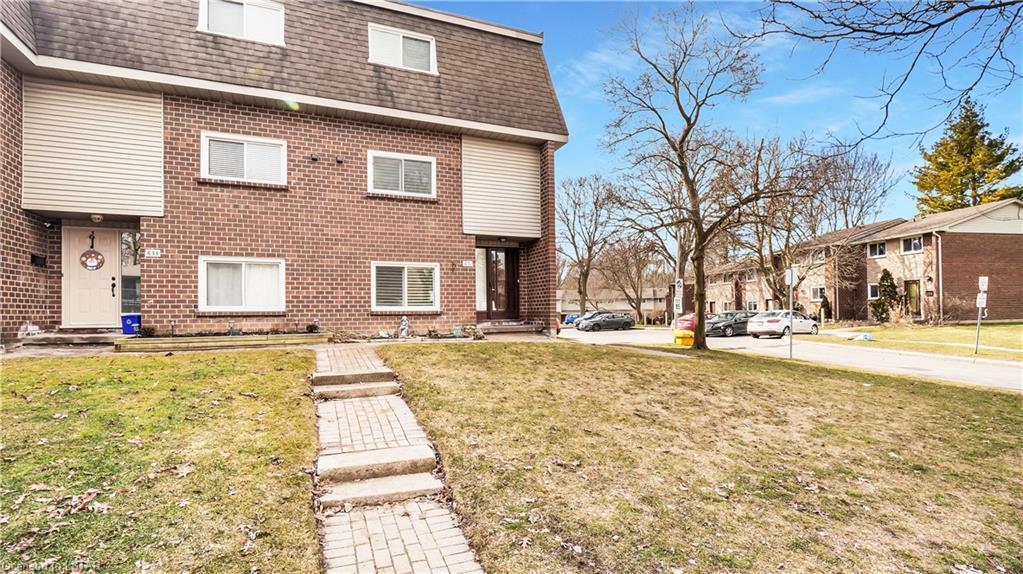
When a teaser for a business for sale London Ontario sparks your interest, get a read from someone who worked within 10 kilometers of that address. The postal code will tell them things the teaser never will, like whether trucks can maneuver in the alley behind the unit or if the winter wind turns that delivery door into a health and safety issue.
What Liquid Sunset Network 2.0 brings to the table
At its core, the network is a simple promise: when you hit a question that a spreadsheet cannot answer, you can reach a human who has earned their scars in the same city. The version change reflects better operations, not a different mission. We keep sessions focused, provide short, useful write-ups, and make introductions when it strengthens your deal, not because we like to fill calendars.
For buyers new to London, the network is a translation layer. For experienced operators, it is a sounding board that keeps you from getting high on your own supply. For everyone, it is a way to compound small, local edges into a better purchase, a smoother close, and a stronger first year.
Deals here are won in the margins, in the questions you ask when the tour ends and the lights flick off. Ask better questions, in the language the city speaks. Surround yourself with people who know the answers and will tell you the ones you do not want to hear. That is what helps you buy a business in London and keep it worth owning.
Liquid Sunset Business Brokers
478 Central Ave Unit 1,
London, ON N6B 2G1, Canada
+12262890444